


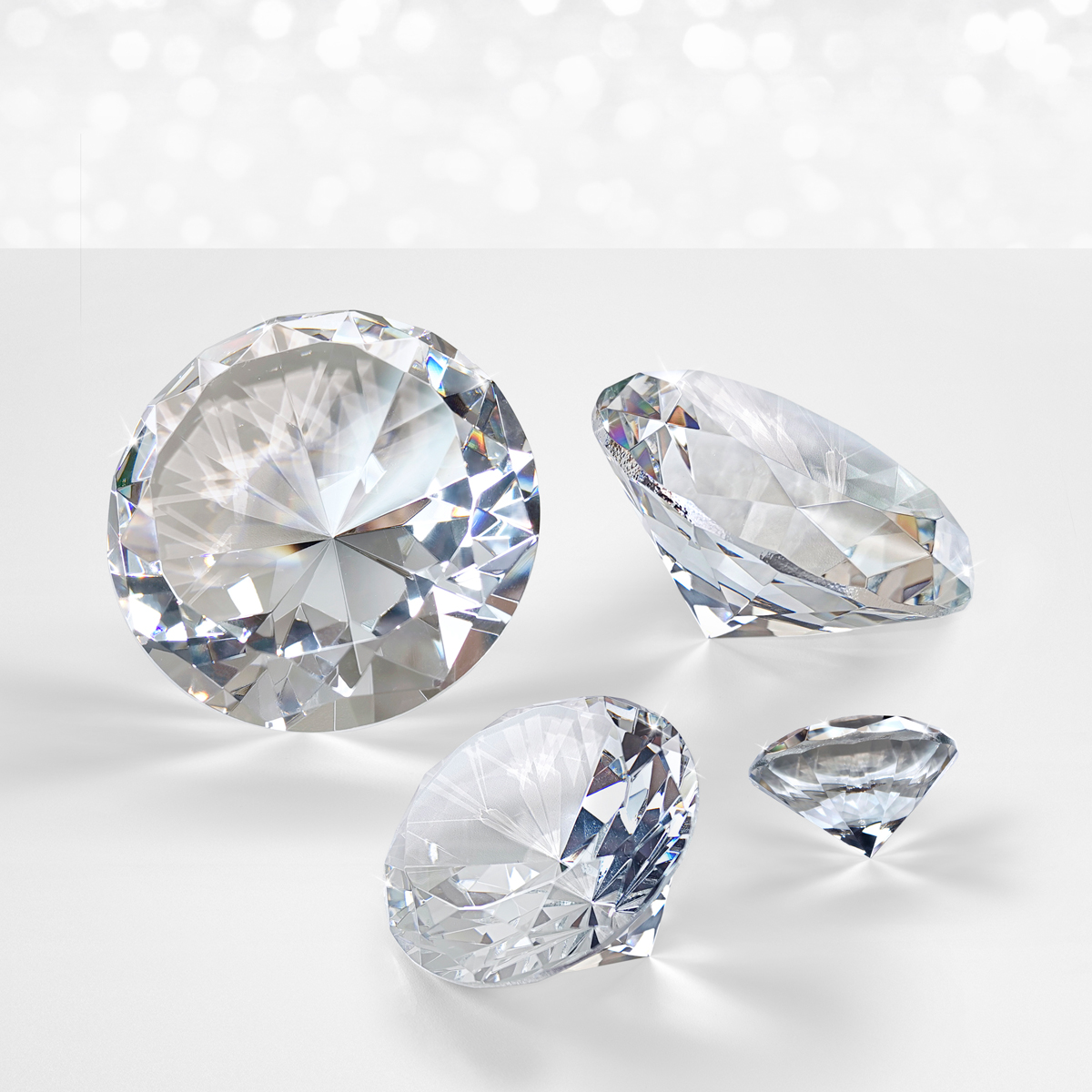
Natural Diamond Industry Gets Regulatory Support as Russia Bans Use of ‘Diamond’ Terminology for Lab-Grown Stones
Key Highlights
- Russia introduces new regulations governing the sale and marketing of synthetic diamonds.
- Resolution No. 657 takes effect on September 1, 2026.
- Synthetic stones must be clearly labelled as “synthetic” on jewellery tags.
- Use of the word “diamond” and related derivatives for synthetic materials is prohibited.
- Quality and colour-grading terminology associated with natural diamonds cannot be applied to synthetic stones.
- Synthetic stones may only be weighed and marketed in grams, not carats.
- Terms such as “natural,” “genuine,” “real,” and “eco-friendly” are banned in synthetic stone marketing.
- Russia aims to strengthen consumer protection and improve market transparency.
- The move could influence future diamond disclosure regulations globally.
In a significant development for the global diamond trade, the Government of Russia has introduced new regulations to strengthen the distinction between natural and synthetic diamonds in the retail jewellery market. The move is expected to resonate across the international diamond industry, particularly at a time when concerns around consumer confusion and product disclosure continue to intensify.
Under Resolution No. 657 dated May 30, 2026, the Russian Government has amended its retail sales regulations to establish stricter labelling and marketing requirements for jewellery containing synthetic stones, including laboratory-grown diamonds. The new rules will come into force on September 1, 2026.
Key Changes for Synthetic Diamond Sales
The regulation introduces several notable restrictions intended to ensure that consumers can clearly differentiate between natural and synthetic products.
Among the most significant provisions:
- Any jewellery containing synthetic stones identified using the name of a natural mineral must prominently display the word “synthetic” (or the abbreviated form “Synthet.”) on tags and labels.
- The use of the word “diamond” and any derivative terminology for synthetic materials is prohibited.
- Quality and colour grading descriptions typically associated with natural diamonds cannot be used for synthetic stones.
- Synthetic stone weight may only be disclosed in grams, rather than carats.
- Marketing terms such as “precious,” “real,” “genuine,” “natural,” “mined,” “mineral,” and “eco-friendly” are prohibited when referring to synthetic stones.
The requirements apply not only to product tags and labels but also to all forms of consumer-facing information and marketing communications.
A Strong Signal from the World’s Largest Diamond Producer
Russia remains the world’s largest producer of natural diamonds by volume, and industry observers view the regulation as a strategic effort to preserve transparency in the marketplace while protecting consumer confidence.
According to the accompanying communication issued with the resolution, the objective is to shield consumers from misleading practices and aggressive marketing tactics that may blur the distinction between natural and synthetic products. The Russian authorities believe clearer product disclosure standards will promote fair competition and contribute to the long-term stability of the diamond industry.
Implications for the Global Diamond Trade
The decision arrives amid growing international debate regarding nomenclature, disclosure standards, and marketing practices surrounding laboratory-grown diamonds. Several industry organisations and natural diamond stakeholders have advocated for stricter disclosure frameworks to ensure consumers receive clear and accurate information at the point of sale.
Russia’s latest move could encourage regulators and industry bodies in other major diamond-consuming and diamond-producing markets to review their own standards for synthetic diamond labelling. The resolution specifically encourages global industry participants to support similar regulatory approaches in their respective jurisdictions to promote transparency and sustainable growth across the sector.
Why This Matters for Diamond Manufacturers, Traders and Retailers
For manufacturers, wholesalers, and retailers operating across international markets, the Russian regulation highlights the increasing importance of compliance, transparency, and product differentiation.
As consumer awareness continues to evolve, clear disclosure standards are becoming a critical factor in maintaining trust in the natural diamond value proposition. The latest regulatory action from Russia reinforces a broader industry trend toward ensuring that natural diamonds and synthetic products are marketed as distinct categories, with no ambiguity for the end consumer.
Industry participants will now closely watch whether other governments adopt comparable measures, potentially shaping the next phase of global diamond disclosure standards.
Related Coverage
IIGJ Mumbai Celebrates 79 Graduates, Showcasing Innovation and the Future of Jewellery Design

UNNATI: Building the Women Who Will Shape India’s Jewellery Future

GJS 2026 Diwali Edition to Bring 400+ Exhibitors to Mumbai from October 2–4
GJEPC Holds 60th AGM, Reviews FY2025-26 Performance and Industry Priorities

De Beers’ 2025 Sustainability Report Signals Where the Natural Diamond Industry Is Heading