


Industry Focus Shifts Beyond Lab-Grown Detection as Verification Demands Grow Across Global Supply Chains
Key Highlights
- GSI says diamond screening has evolved from simple detection to comprehensive product integrity verification across the supply chain.
- Modern screening programs must address natural diamonds, laboratory-grown diamonds, simulants and treated stones.
- Mounted jewellery remains significantly more challenging to screen than loose diamonds due to accessibility and setting limitations.
- The industry is now facing a reverse verification challenge, with natural diamonds occasionally appearing in laboratory-grown diamond goods.
- Artificial intelligence can improve efficiency and data analysis but cannot replace advanced testing technologies and gemological expertise.
- As natural and laboratory-grown diamonds continue to coexist in the market, verification and product integrity are becoming essential components of responsible supply chain management.
A decade ago, the diamond industry’s primary concern was relatively straightforward: identifying undisclosed laboratory-grown diamonds that had entered natural diamond parcels.
Today, according to Gemological Science International (GSI), the challenge facing manufacturers, retailers and laboratories has become far more complex.
The conversation is no longer limited to detecting laboratory-grown diamonds. The industry must now verify product integrity across entire supply chains, ensure accurate disclosure of natural and laboratory-grown diamonds, identify simulants, and manage screening programs involving thousands of jewellery pieces and millions of stones.
According to GSI, this evolution reflects the growing sophistication of both diamond manufacturing and global jewellery distribution.
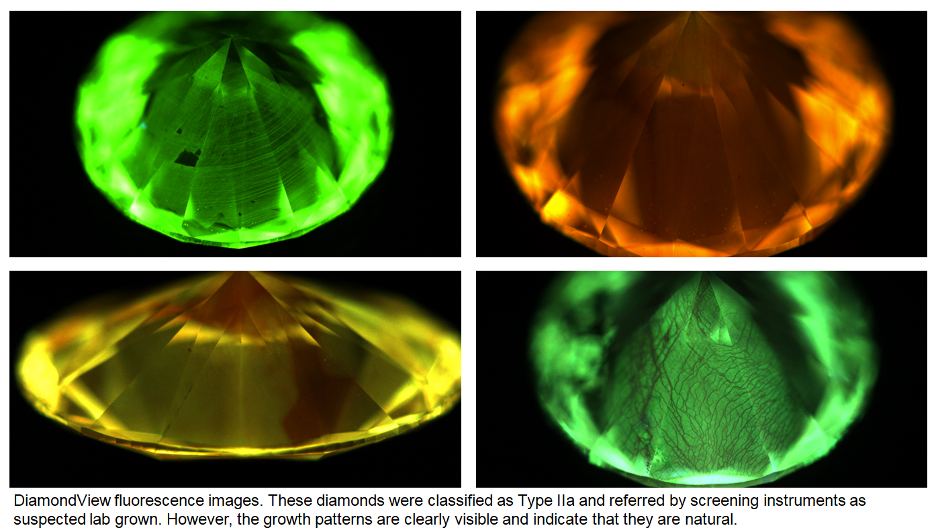
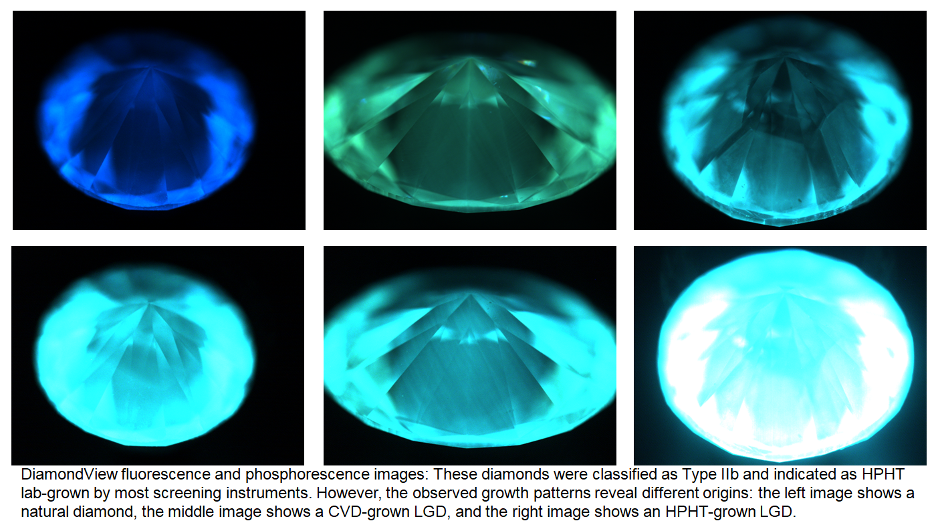
Ten years ago, most laboratory-grown diamonds could be identified using a combination of fluorescence reactions, growth structures and spectroscopic features. At that stage, laboratories were primarily focused on developing screening protocols, investing in detection technologies and educating the trade about the risks associated with undisclosed synthetic diamonds.
Since then, the industry has made significant progress.
Today’s laboratories have access to advanced technologies such as FTIR spectroscopy, photoluminescence spectroscopy, Raman analysis, deep-UV imaging and phosphorescence testing. Awareness among manufacturers and retailers has also increased substantially, with many major jewellery companies now treating screening as a routine part of their quality assurance programs.
However, GSI notes that while detection technologies have improved, laboratory-grown diamonds have also become more sophisticated.
Modern HPHT and CVD diamonds often display fewer obvious identifying characteristics, while post-growth treatments can further complicate the separation of natural and laboratory-grown goods. As a result, screening programs increasingly require multiple testing methods, expert interpretation and rigorous verification procedures.
Mounted Jewellery Creates New Challenges
One of the biggest changes over the past decade has been the industry’s move from testing loose diamonds to screening finished jewellery.
Unlike loose stones, mounted diamonds are often partially hidden by metal settings, positioned at different angles and grouped closely together within a piece of jewellery. This creates a more demanding testing environment and requires both specialised equipment and experienced operators.
According to GSI, the challenge is no longer simply identifying a single stone but maintaining consistent verification standards across large production volumes.
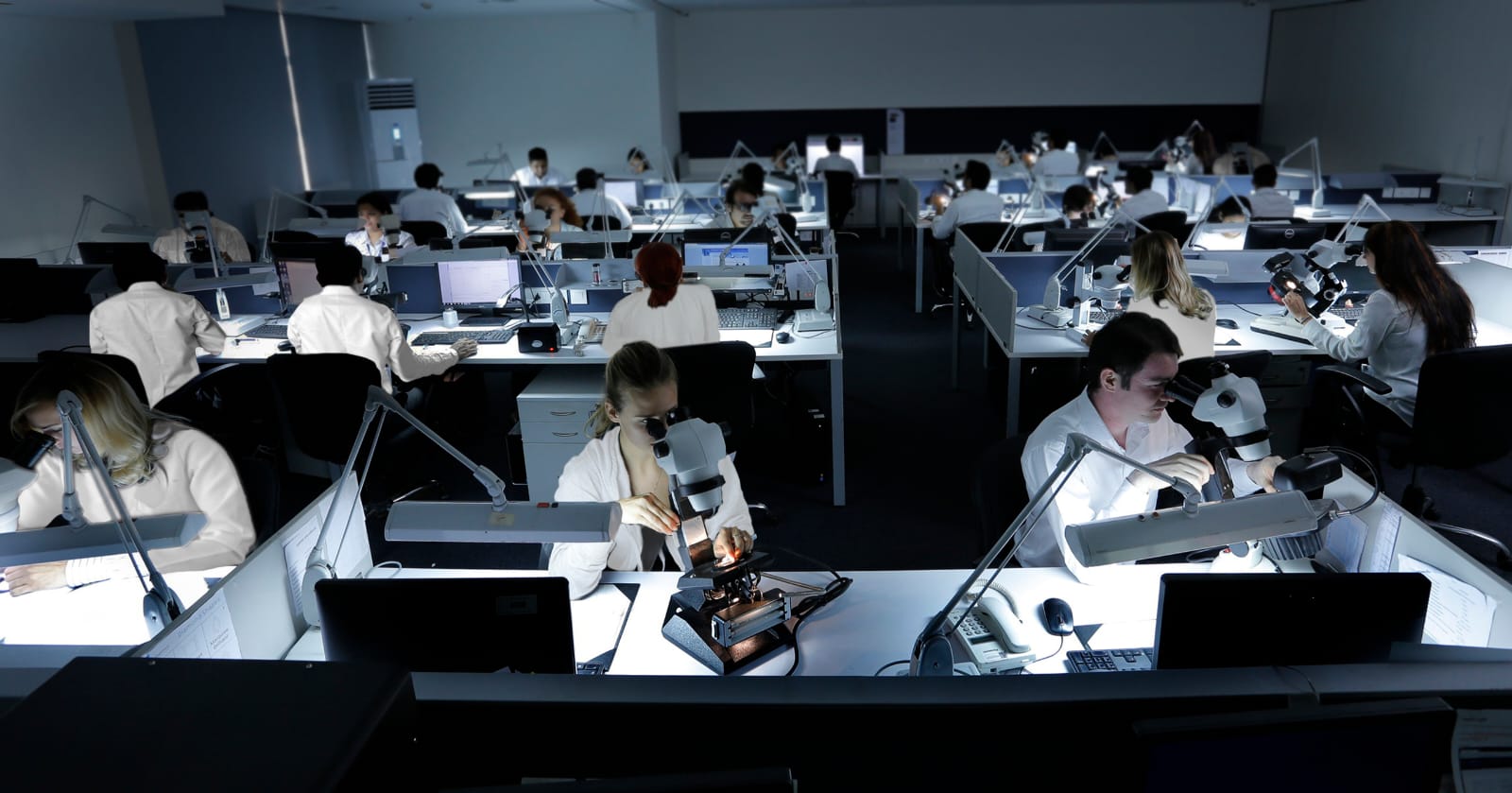
For major retailers and manufacturers, screening may involve thousands of jewellery pieces and hundreds of thousands of individual diamonds. In such environments, even small inconsistencies in procedures or equipment calibration can create significant operational risks.
This is where GSI believes product integrity programs have become increasingly important.
A New Concern: Natural Diamonds Found in LGD Goods
While the industry initially focused on laboratory-grown diamonds entering natural diamond supply chains, GSI says a reverse challenge has emerged.
As laboratory-grown diamonds become a larger commercial category, retailers and manufacturers must also verify that products represented as laboratory-grown actually contain laboratory-grown diamonds.
Natural diamonds may enter LGD inventories due to manufacturing errors, inventory mix-ups, supplier mistakes or misrepresentation. For retailers, the issue is no longer simply whether a stone is natural or laboratory-grown.
The more important question is whether the product matches its stated description.
Simulants Remain Part of the Equation
GSI also points out that the discussion often overlooks another important category: diamond simulants.
Materials such as moissanite, cubic zirconia and other synthetic colourless stones continue to appear in jewellery through manufacturing errors, repairs or weak quality-control procedures.
For this reason, comprehensive screening programs must address not only natural and laboratory-grown diamonds but also simulants, treatments and disclosure accuracy.
Can Artificial Intelligence Help?
Looking ahead, GSI believes artificial intelligence will play an increasingly important role in screening operations.
AI can assist laboratories with image recognition, pattern analysis, workflow efficiency and anomaly detection, particularly in high-volume environments.
However, GSI emphasises that AI should be viewed as a support tool rather than a replacement for gemological expertise. Advanced instrumentation, scientific analysis and experienced gemologists remain critical components of reliable verification.
Product Integrity Is Becoming the New Industry Standard
As natural diamonds, laboratory-grown diamonds and simulants continue to coexist within the global marketplace, verification is becoming an essential part of responsible supply chain management.
According to GSI, the future of diamond screening is not simply about detecting undisclosed laboratory-grown diamonds. It is about ensuring that every product is accurately represented and that consumers, retailers and manufacturers can have confidence in what is being bought and sold.
For an industry built on trust, product integrity may well become the next defining benchmark.
Related Coverage

IIGJ Mumbai Celebrates 79 Graduates, Showcasing Innovation and the Future of Jewellery Design

UNNATI: Building the Women Who Will Shape India’s Jewellery Future

GJS 2026 Diwali Edition to Bring 400+ Exhibitors to Mumbai from October 2–4
GJEPC Holds 60th AGM, Reviews FY2025-26 Performance and Industry Priorities
De Beers’ 2025 Sustainability Report Signals Where the Natural Diamond Industry Is Heading