


Key Highlights
- GJC’s Mid-Year Bullion Review 2026 highlights the impact of record bullion prices on India’s jewellery market.
- Gold peaked at ₹1,70,480 per 10 grams before correcting to around ₹1,42,800 by late June.
- Silver crossed ₹4 lakh per kilogram before easing to approximately ₹2.26 lakh.
- Consumers increasingly preferred lightweight jewellery amid higher bullion prices.
- GJC called for balanced customs duty, GST reforms and improvements to the Gold Monetisation Scheme.
- The Council expects festive and wedding season demand to support jewellery sales in the second half of 2026 despite continued market volatility.
After witnessing record-breaking highs in the first half of 2026, India’s bullion market has entered a phase of correction, offering cautious optimism for the jewellery industry ahead of the festive and wedding season. According to the All India Gem & Jewellery Domestic Council (GJC), while gold and silver prices remain at historically elevated levels, recent corrections could improve consumer sentiment and support demand, particularly for lightweight jewellery.
In its Mid-Year Bullion Review 2026, GJC highlighted that rising precious metal prices, taxation challenges, customs duty revisions and global geopolitical uncertainty shaped the domestic bullion market during the first six months of the year. Together, these factors influenced both consumer buying behaviour and the overall outlook for the gems and jewellery sector.
Gold touched a record high of ₹1,70,480 per 10 grams in January 2026 before correcting to approximately ₹1,42,800 per 10 grams by the end of June. Silver followed a similar trend, crossing the historic ₹4 lakh per kilogram mark before easing to nearly ₹2.26 lakh per kilogram.
The Council noted that while investors continued to view gold as a preferred safe-haven asset amid global uncertainty, retail jewellery demand moderated because of affordability concerns. Consumers increasingly shifted towards lightweight jewellery designs, reflecting changing buying patterns and value-conscious purchasing decisions.
GJC also highlighted policy-related concerns affecting the domestic market. Higher customs duty, GST-related challenges and regulatory compliance continue to impact the trade. The Council reiterated its support for reforms to the Gold Monetisation Scheme, stating that an effective framework could mobilise idle household gold, reduce import dependence and strengthen India’s domestic gold ecosystem.
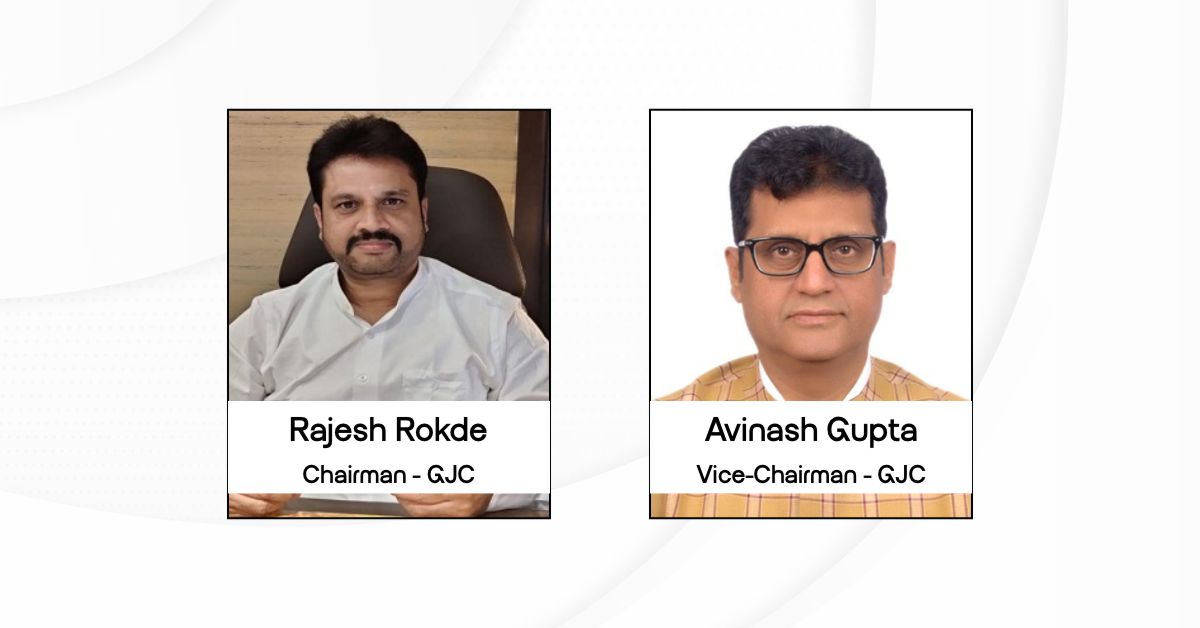
Commenting on the market outlook, Rajesh Rokde, Chairman of GJC, said:
“The correction in bullion prices during late June reflects a natural adjustment after extraordinary highs. Gold futures settled around ₹1,42,800 per 10 grams, while silver eased to the ₹2,25,990 per kg range after crossing ₹4,00,000 earlier this year. These shifts are driven by profit-taking, a stronger US dollar index, and expectations of prolonged high interest rates globally. Global sentiment has also shifted as safe-haven demand eased after recent geopolitical panic cooled. While futures saw a meaningful drop, retail prices have remained elevated, with 24K gold continuing to trade around ₹14,250–₹14,400 per gram through late June this year. This shows the market is adjusting rather than collapsing. Looking ahead, the upcoming festive season and the peak wedding calendar in the second half of the year are expected to provide strong support to jewellery demand, particularly in lightweight categories. These cultural drivers, combined with India’s deep emotional connect with gold, will ensure that despite volatility, the market remains resilient.”
Sharing the industry’s policy perspective, Avinash Gupta, Vice Chairman of GJC, added:
“Gold remains an integral part of Indian households, but affordability pressures are real. The next six months will depend heavily on geopolitical stability and government policy, particularly in the context of customs duty and taxation. Excessive duties risk encouraging unofficial channels, which hurts consumers and weakens the trade. We urge policymakers to balance revenue needs with industry sustainability, ensuring that reforms strengthen rather than strain the sector. At the same time, the Gold Monetisation Scheme offers a long-term solution by mobilising idle household gold, reducing import dependency, and reinforcing India’s economic resilience. Consumers are adapting with lightweight jewellery designs, while investors continue to view gold as a safe-haven. The industry stands ready to collaborate with the government so that national interest, consumer welfare, and market stability move forward together.”
Looking ahead, GJC expects bullion prices to remain volatile during the second half of 2026. However, demand is expected to improve with the onset of the festive season and the wedding calendar. The Council believes that supportive policy measures, rational taxation and continued consumer confidence will play a vital role in sustaining growth across India’s gem and jewellery industry.
Related Coverage

GJS 2026 Diwali Edition to Bring 400+ Exhibitors to Mumbai from October 2–4

GJC Calls 67% Hike in Gold Hallmarking Charges Unwarranted, Seeks Immediate Government Review

IIM Ahmedabad, GJC Launch GEMLEAD Focus 2026 to Prepare Next-Generation Jewellery Leaders

GJC Opens Entries for 15th National Jewellery Awards 2026

GJC Chairman Rajesh Rokde Reacts to 10% U.S. Tariff on Indian Imports, Calls for Immediate Government Intervention