


With peace talks in the region advancing and US consumer sentiment strengthening, the Bharat Diamond Bourse sees conditions aligning for a meaningful upturn in global diamond prices and Indian jewellery manufacturing.
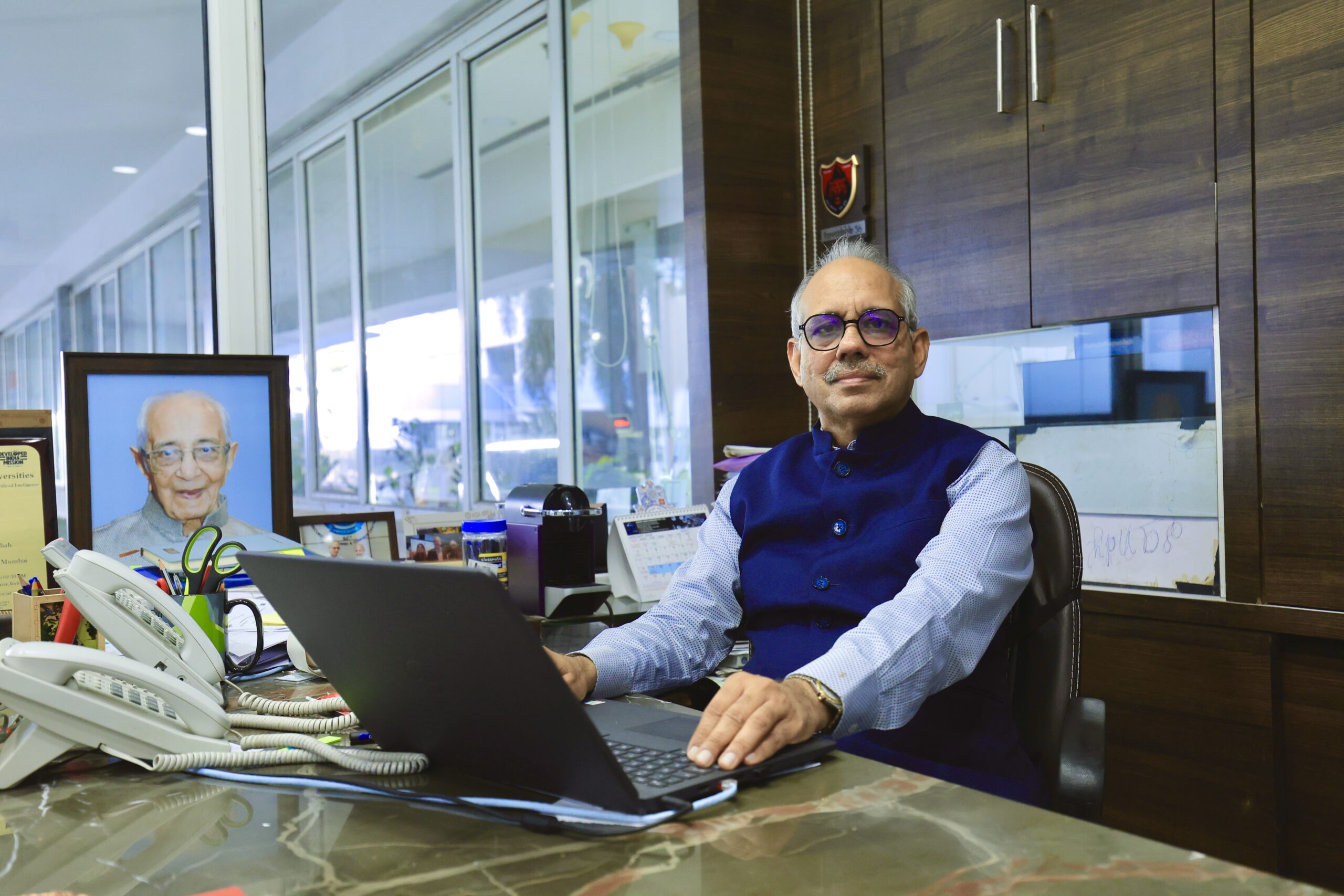
As diplomatic efforts to resolve the prolonged West Asia conflict move toward a constructive conclusion, the global diamond trade is cautiously positioning itself for recovery. Bharat Diamond Bourse (BDB) Vice President Mehul N Shah has expressed measured optimism, noting that the easing of geopolitical tensions in the region — combined with improving macroeconomic conditions in the United States — could mark an inflection point for an industry that has weathered several years of subdued demand and pricing pressure.
“Peace talks concerning the West Asia conflict are moving toward a logical and peaceful resolution,” Shah stated. “This shift toward normalcy is expected to have a positive cascading effect on global consumer sentiment, jewellery retail and, ultimately, on the rough and polished diamond markets.”
US Economy as the Key Driver
Central to the BDB’s optimistic outlook is the health of the American consumer. The United States remains the world’s single largest market for diamond jewellery, accounting for the majority of global retail demand. Any sustained improvement in US consumer confidence and purchasing power translates directly into increased offtake for polished diamonds — the vast majority of which are cut and polished in India, principally in Surat.
Shah pointed to a strengthening US economy and rising consumer purchasing power as catalysts that would reinforce the recovery, suggesting that the convergence of geopolitical stabilisation and economic momentum could provide the industry with the dual tailwinds it needs after a challenging cycle.
Implications for Indian Manufacturing
For India’s diamond processing industry — which handles an estimated 90 per cent of the world’s diamonds by volume — any revival in downstream retail demand carries significant upstream consequences. A recovery in jewellery sales would stimulate fresh polished orders, which in turn would support rough diamond demand and help stabilise a market that has seen considerable price erosion over the past two years.
BDB, as the world’s largest diamond trading hub, sits at the centre of this trade chain. Shah’s assessment reflects not only institutional confidence but also the sentiment gathering among bourse members and the wider trade.
A Cautious but Constructive Outlook
While industry sentiment is turning more positive, trade observers continue to urge caution. The diamond sector’s recent difficulties have been compounded by a combination of factors — including the accelerating adoption of lab-grown diamonds, inventory corrections at the manufacturing level, tightened financing conditions and the residual effects of broader global economic uncertainty. A recovery, most stakeholders agree, is likely to be gradual rather than sharp.
Nevertheless, the directional shift in geopolitics — if sustained — removes one of the more significant headwinds that has weighed on market psychology in recent months. For an industry as sentiment-driven as natural diamonds, the value of restored confidence should not be underestimated.
As peace returns to West Asia and the US consumer economy strengthens, the trade’s hope is that 2025 will mark the beginning of a sustained, if measured, recovery — one that restores equilibrium to diamond prices, revitalises Indian manufacturing and brings renewed momentum to the global gems and jewellery sector.
Related Coverage

WFDB President Mehul Shah Calls for Local-Language Declarations on ‘Laboratory-Grown Diamond’ and ‘Synthetic Diamond’

Belgian PM Bart De Wever Makes Historic First Visit to Bharat Diamond Bourse

Namibia Explores Direct Rough Diamond Link With India’s Diamond Industry

Namibia Explores Direct Rough Diamond Trade with India After Tax Reform

WFDB President Mehul Shah Honoured as ‘Industry Legend’ by GJEPC at IIJS Bharat Premiere 2026